Your dog isn’t allowed on the couch. Unless it’s Sunday. Or your partner is home. Or the dog looks tired. To you, those are small exceptions. To your dog, they’re a different rule every day.
What the Research Shows
In a survey of 1,276 dog owners, more consistent owner behavior went with better obedience. More time spent training and playing together went with a more obedient dog too.[1]
The same survey found that two opposite habits both backfired. Frequent punishment was linked to more aggression and excitability. So was rewarding unwanted behavior.[1] Harshness and permissiveness look different, but they have something in common: the dog can’t predict what happens next.
The researchers found the consistency effect most clearly in smaller dogs. The study also measures association, not cause. Still, the direction is clear, and it matches what owners see at home.
Why Inconsistency Looks Like Disobedience
When the rules change depending on who’s home or what mood you’re in, your dog has to guess. Guessing looks like disobedience.
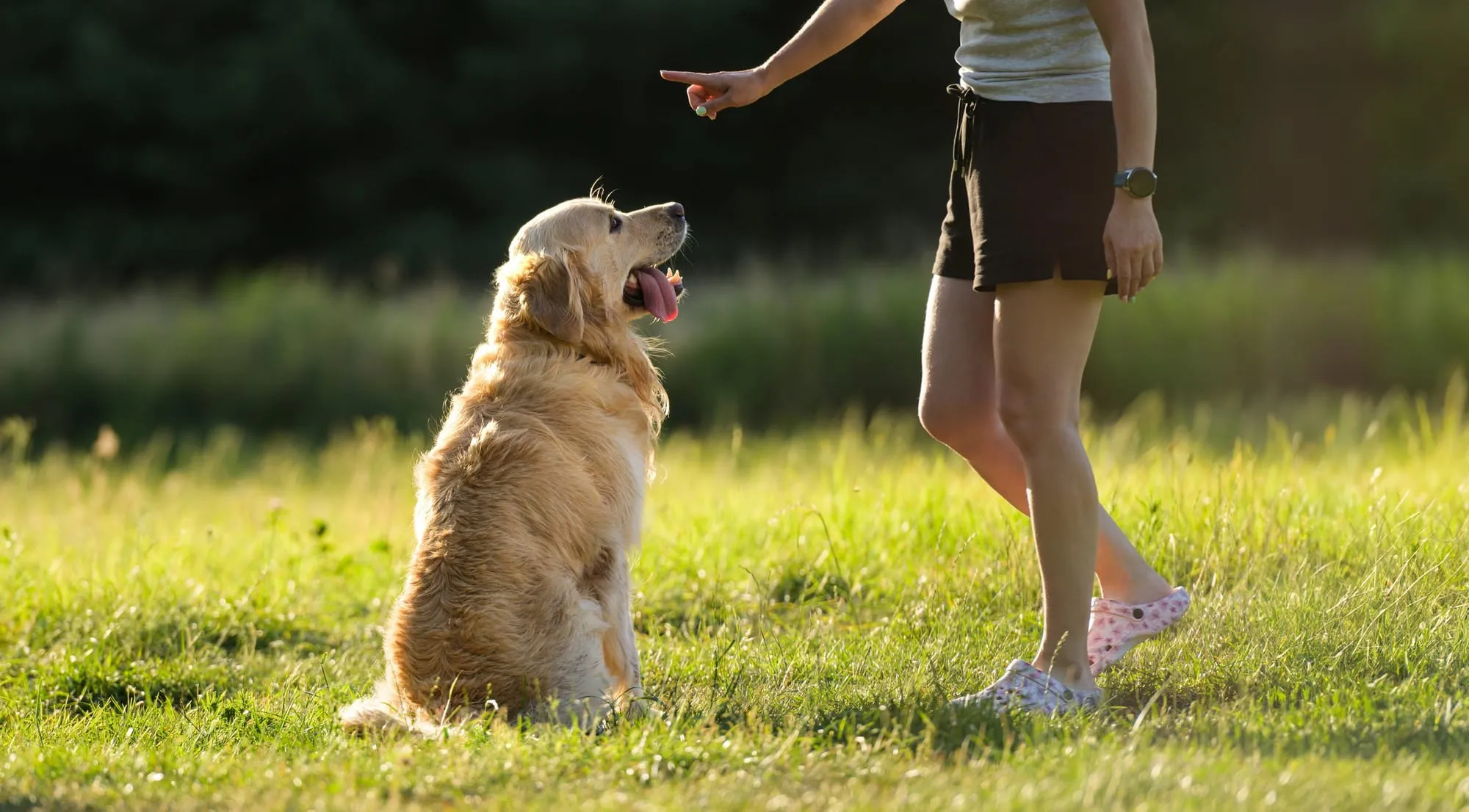
Dogs are unusually skilled at reading human social and communicative behavior, such as following a pointing gesture.[2] That skill works against you when your signals are mixed. If one person lets the dog jump and another corrects it, the dog isn’t ignoring either of you. It’s learning that jumping sometimes works.
How to Build House Rules That Stick
1. Write down five rules
Start small. Where does the dog sleep? Is the couch allowed? What happens at the front door? Where does the dog wait during meals? What does “off” mean? Five clear rules beat twenty vague ones.
2. Get everyone to agree
Every adult, older child, dog walker, and visitor who handles the dog should know the rules. A rule only one person enforces isn’t a rule.
3. Use the same words
Pick one cue per behavior and stick to it. “Off” and “down” shouldn’t mean the same thing on Monday and different things on Tuesday.
4. Respond the same way every time
Decide in advance what happens when a rule is broken, and keep that response calm. Calm, predictable responses that don’t change with emotion are what give your dog clarity.
5. Review it together
Once a week, check in as a household. Where are exceptions creeping in? Fix those first.
How MK9 Helps
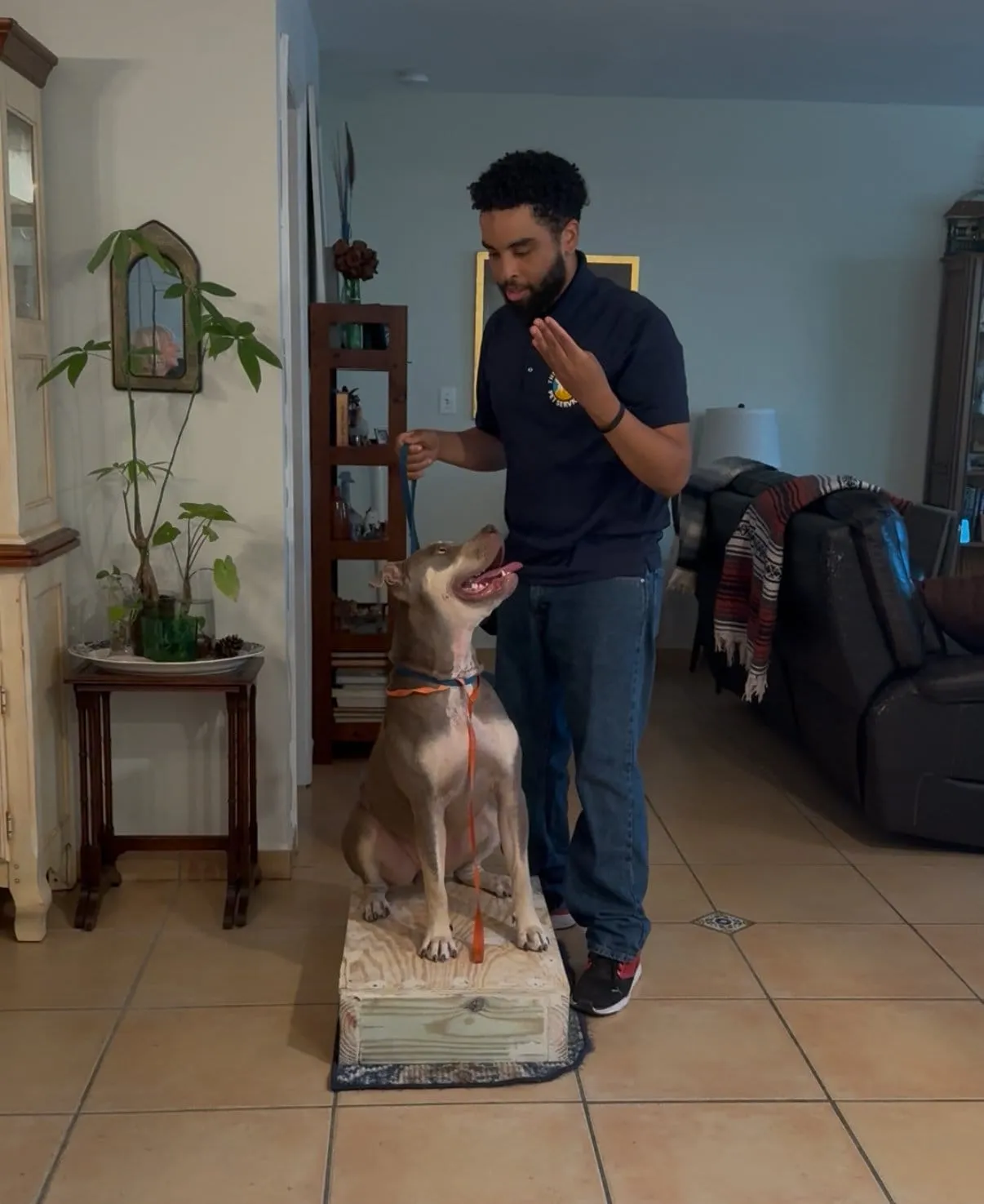
This is why structure comes first at MK9. Clear rules everyone in the house follows give your dog something reliable to learn. Every MK9 program includes owner education, because the dog learns the commands and the owner learns how to lead.
Level I: Foundation covers essential commands, leash control, impulse control, household manners, and owner education. It’s where the house rules get built.