Puppies grow fast, and so does the window for shaping how they see the world.
The Window That Closes Early
The American Veterinary Society of Animal Behavior (AVSAB) calls the first three months of life the primary and most important time for puppy socialization.[1] It also names behavior problems as the number one reason dogs are surrendered to shelters, and the number one cause of death for dogs under three years old.[1]
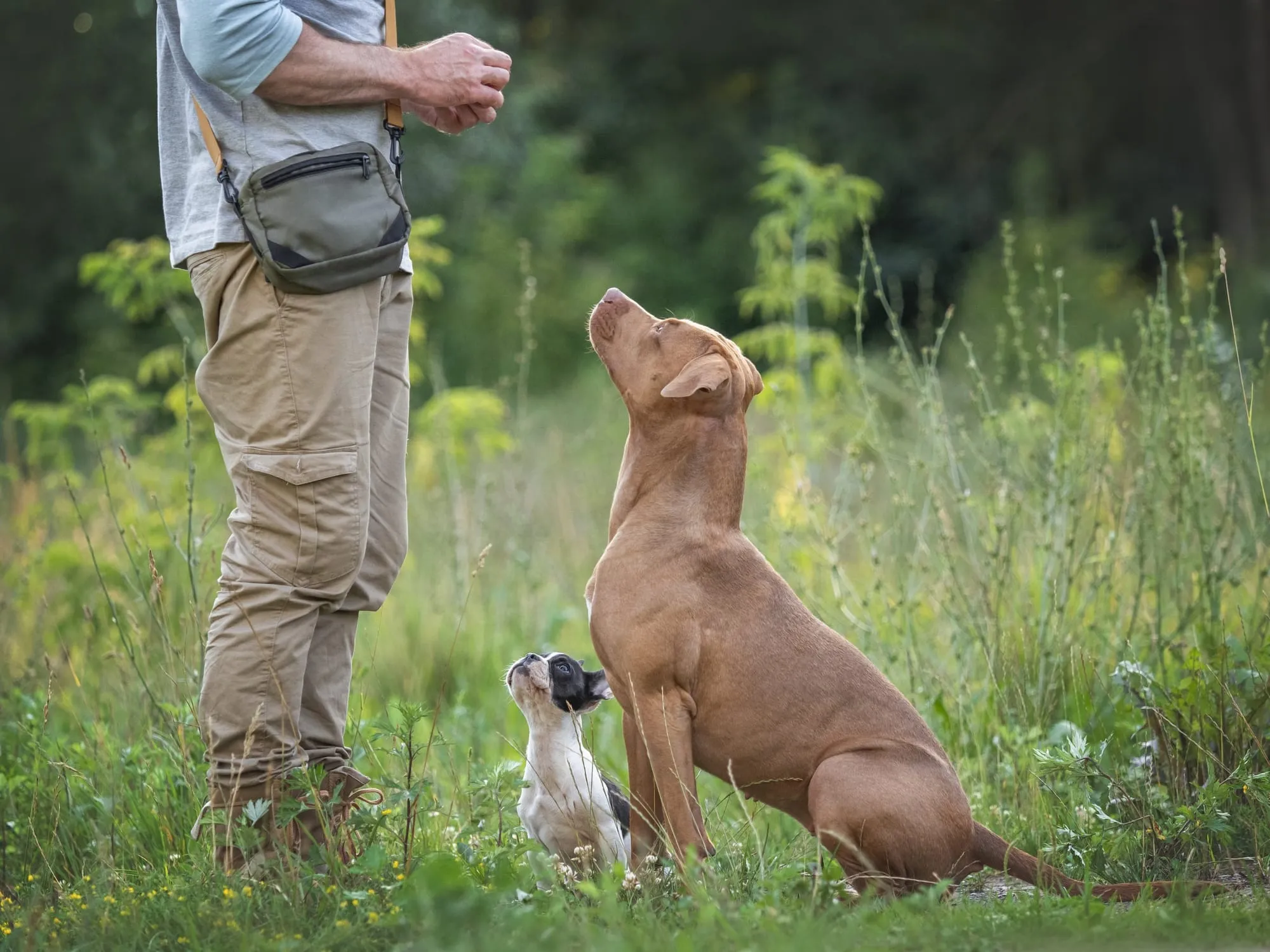
That’s why AVSAB supports starting puppy classes as early as 7–8 weeks of age, with at least one set of vaccines given 7 days or more before the first class.[1] Waiting until every vaccine is finished can mean missing much of the window. Talk to your veterinarian about the right plan for your puppy.
What Early Experience Changes
A study of 248 dogs adopted as puppies found that several early factors went with a dog staying in its home: attending puppy socialization classes, being handled often as a puppy, and responding well to commands.[2]
In practical terms, socialization means calm, positive exposure to:
- People of different ages, sizes, and appearances
- Handling: paws, ears, mouth, collar
- Surfaces, sounds, and places: sidewalks, elevators, car rides, cafés
- Calm, healthy dogs that are good with puppies
The goal isn’t to meet as many things as possible. It’s for your puppy to have good experiences with them. A frightening experience teaches the opposite.
Keep It Short
Puppies learn best in short sessions spread over time. In one study, dogs trained once or twice a week learned a new task faster than dogs trained every day, and one session beat three back-to-back sessions.[3] A few minutes, often, beats an exhausting hour.
Structure From Day One
Socialization is half of the foundation. The other half is structure: clear household rules, leash manners, impulse control, and an owner who leads consistently.
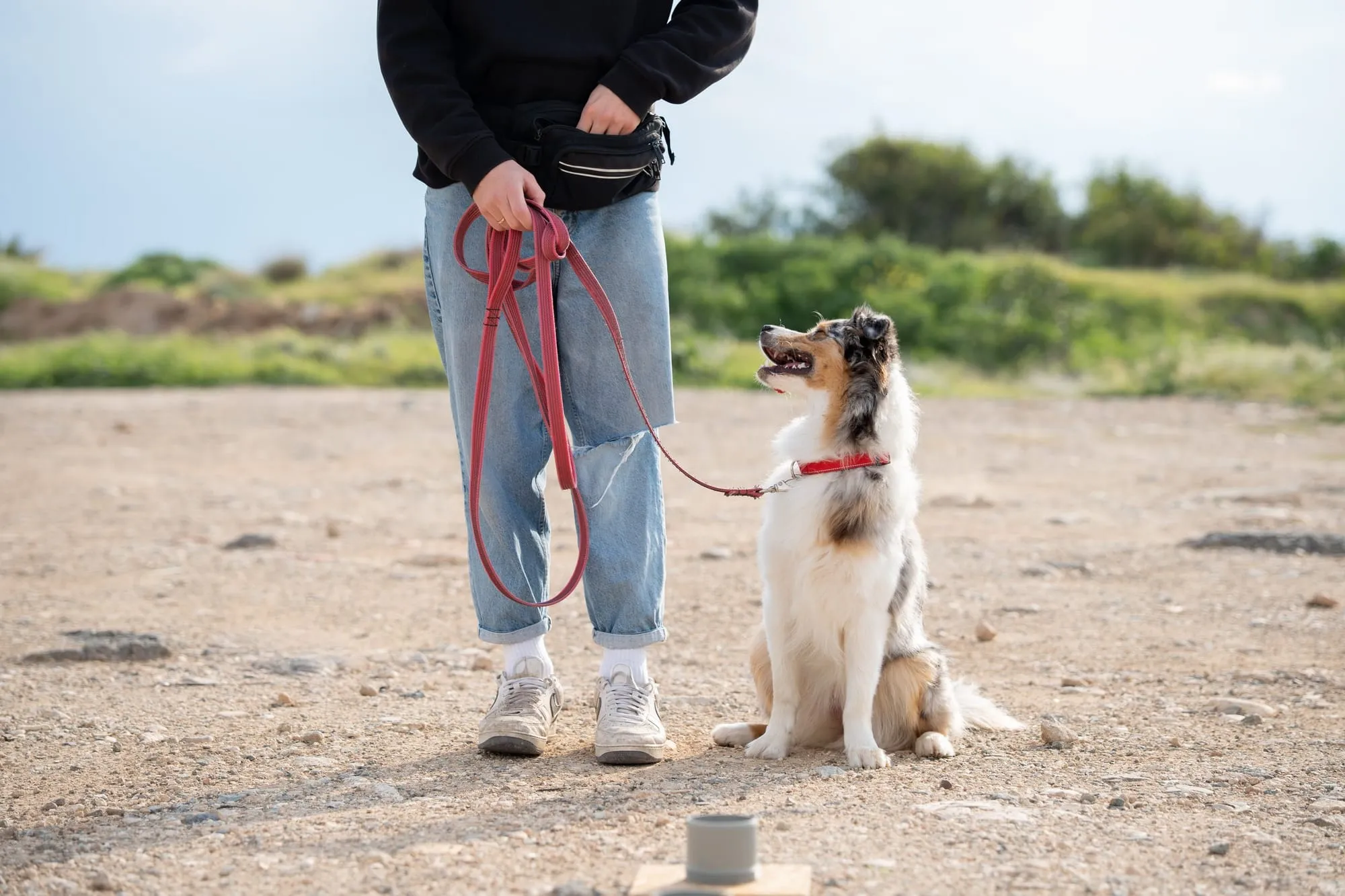
MK9’s Level I: Foundation is built for puppies, young dogs, and new owners. It covers essential commands, leash control, impulse control, household manners, and owner education, so the relationship starts on the right foot.