Your dog sits on cue. Lies down. Shakes. Then the doorbell rings and all of it disappears.
If that sounds familiar, you’re not dealing with a dog who doesn’t know the commands. You’re dealing with the gap between knowing a command and behaving well when it matters.
What the Research Shows
The American Veterinary Society of Animal Behavior names behavior problems as the number one reason dogs are surrendered to shelters.[2]
In a study of 1,984 dogs surrendered to 12 U.S. shelters, 40% had at least one behavioral reason for being given up. The most common were biting, aggression toward people, and escaping. Whether the dog had been to obedience classes made no difference to why it was surrendered.[1]
That doesn’t mean obedience classes are useless. It means knowing commands on its own didn’t protect these dogs from the problems that cost them their homes.
Why the Gap Exists
Commands are learned in one place
A sit practiced in a quiet kitchen is a sit in a quiet kitchen. Dogs don’t automatically carry it to a busy sidewalk, a café, or the moment a guest walks in. Each new place and distraction has to be practiced.
Behavior is about the whole day
Pulling, jumping, guarding, and lunging happen between commands. A dog that sits beautifully but has no structure the rest of the day will fill that time with its own rules.
Emotion wins over cues
A dog that is afraid, frustrated, or overexcited isn’t thinking about “sit.” Understanding the emotion behind the behavior changes how you address it.
How to Close the Gap
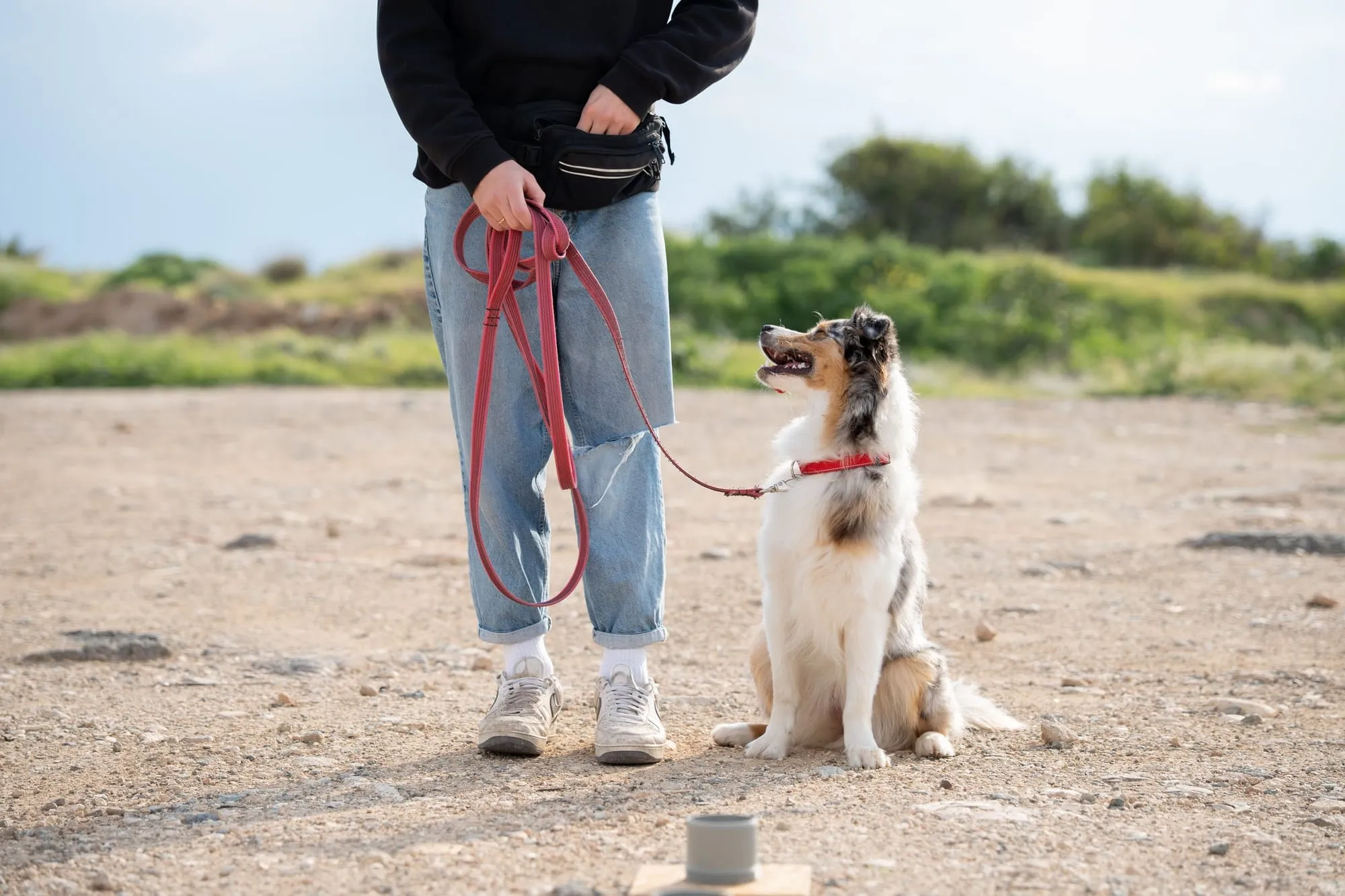
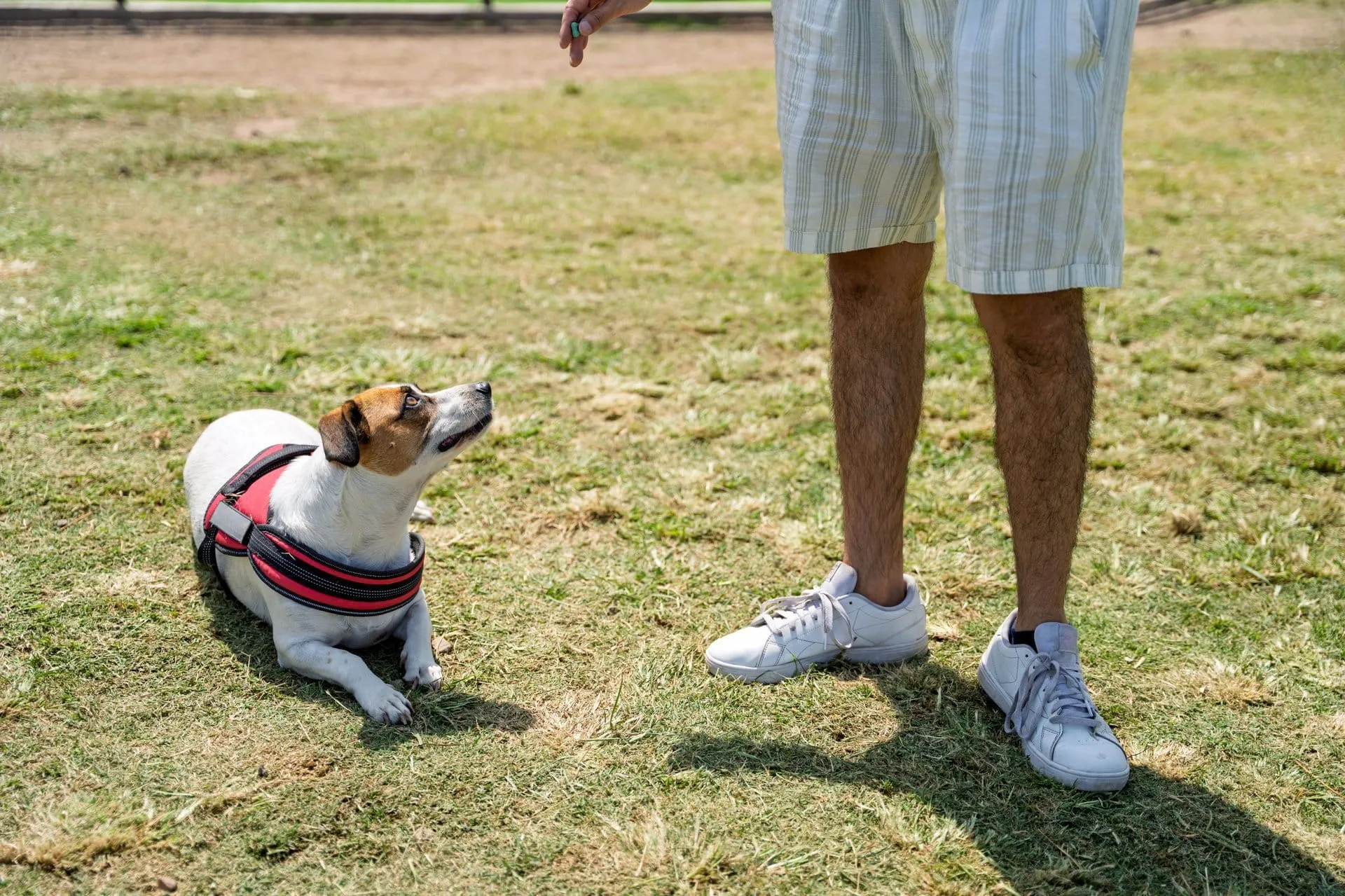
- Practice in real places. Take the same cue to the driveway, the sidewalk, and the park, and make it easier in each new place before you make it harder.
- Build structure between commands. Clear house rules, calm doorways, and a settled place to rest do more for daily behavior than new tricks.
- Work at the right distance. If your dog can’t respond around a distraction, move farther away and build back up.
- Lead calmly. Your dog reads your body language. A calm handler makes it easier for a dog to listen.
How MK9 Helps
This is why MK9 focuses on behavior over commands, and why training has to hold up in real life: sidewalks, cafés, elevators, family gatherings, and travel.
Level II: Refinement is for the dog that already has patterns forming: pulling, reactivity, selective listening, overexcitement, and poor control around distractions. It focuses on behavior correction, distraction work, owner handling, and real-world application.