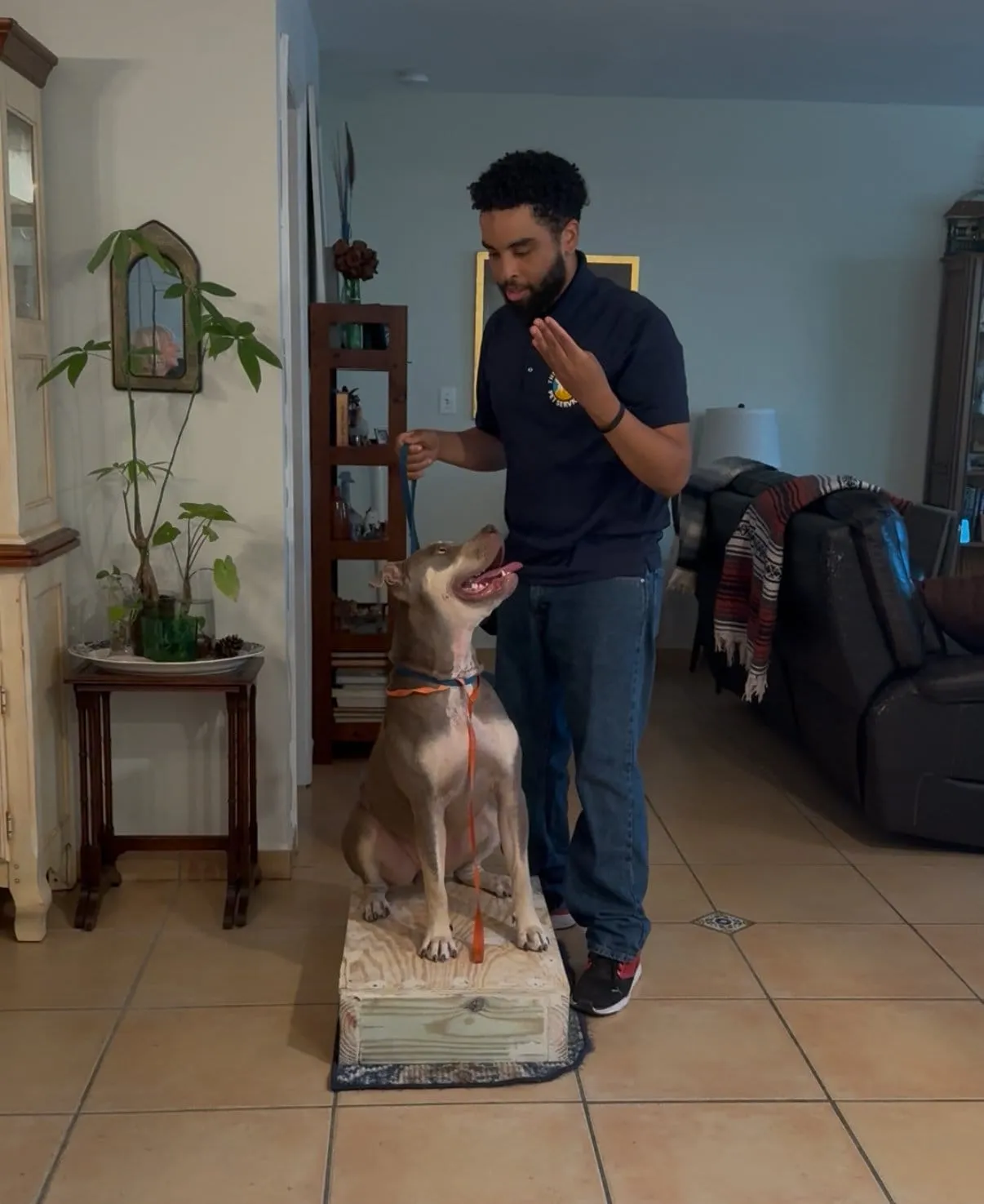
Many owners assume that more training means faster results. A long session every day feels like commitment. The research points somewhere else.
What the Research Shows
Spacing beats volume
In a controlled study, 44 dogs were split into four groups and trained on the same obedience task, 18 sessions each. The groups differed in how often they trained (once or twice a week, or daily) and how long each block was (one session, or three sessions in a row).[1]
Dogs trained once or twice a week learned the task faster than dogs trained every day. Dogs that did one session at a time learned faster than dogs that did three back to back. Four weeks later, all groups still remembered the task.[1]
The study used laboratory Beagles learning a single task, so treat it as a direction, not a schedule. The direction is clear: short, regular practice spread over time builds learning that lasts.
How you practice matters too
Frequency is only part of the picture. In a survey of 1,276 owners, more consistent owner behavior went with better obedience, and frequent punishment went with more aggression and excitability.[2] In a separate study of 92 dogs at seven training schools, dogs trained mainly with aversive methods showed more stress behaviors during training and more “pessimistic” responses in a test afterward.[3]
Harshness and permissiveness both backfire. What works is clarity: calm, predictable responses that don’t change with emotion.
What This Means for You
Keep sessions short
A few focused minutes beats an exhausting hour. End while your dog is still engaged, not when they’ve checked out.
Space them out
Leave time between formal sessions. Learning keeps settling in between them.
Practice in real life, too
Formal sessions are only part of training. The front door, the leash coming off the hook, and the walk past the neighbor’s dog are all practice. Keep the rules the same in those moments.
Stay calm and consistent
Use the same cues and the same responses every time. If you’re frustrated, stop and try again later. A calm handler gets a calmer dog.
How MK9 Helps
Calm repetition is part of MK9’s definition of structure. Every program includes owner education, so you know what to practice between sessions and how. After the program ends, Monthly Group Tune-Ups keep skills sharp as part of the Lifetime Warranty.
Level I: Foundation is built for puppies, young dogs, new owners, and dogs that need basic structure.